
Bi-Wheel Locomotion
A Brief History of Bi-Wheel Locomotion
I don’t think I’ve written a more thrilling title.
I guess if we were truly to start at the beginning of two-wheeled modes of transportation, there is evidence of two-wheeled vehicles found in Southwest Asia and Northern Europe as far back as 3500 B.C.E. A bit later, the two-wheeled cart popped onto the scene in Germany in 3400-2800 B.C.E.
Thanks for reading Matters of Varying Importance! Subscribe for free to receive new posts and support my work.
While carts are useful, two-wheeled vehicles didn’t get cool until 2400 B.C.E. with the invention of the chariot. The chariot was the supreme military weapon in Eurasia. Pulled by horse, one driver and one fighter could move in and out of battles with unprecedented ease. Unfortunately, while doing research on the chariot, I ran across this.
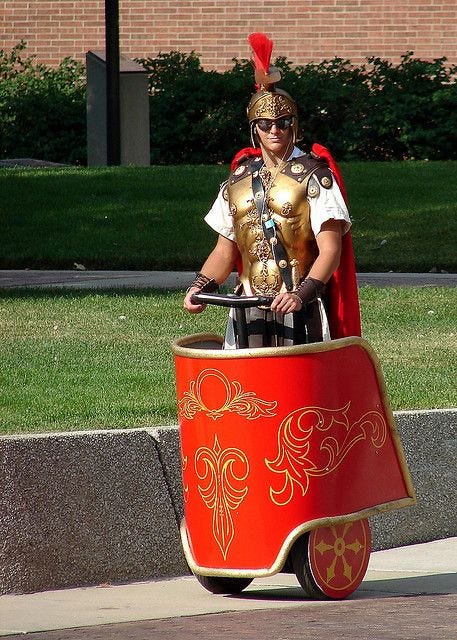
It used to be that when the word “chariot” came up (as it so often does in casual conversation), my first thought was of Ridley Scott’s Gladiator. Now, this image is all I see. It kinda ruined the awesomeness of the Roman chariot for me.
I’m going to go ahead and skip several thousand years and get to what I really want to write about - the bicycle.
Bicycles
Bikes are near and dear to my heart. I’m no expert, I don’t have a million of them (yet), and there aren’t videos of me doing a backflip at age 12. BUT, there is basically nothing that makes me feel as free, as exhilarated, or that can relieve stress as quickly as biking.
So, as I dove into the history of the bike my mind expected to find something incredible. Ingenuity, epic races, tech advances, and, of course, an awesome origin story.
The first three I found. The last, well, instead I discovered this…
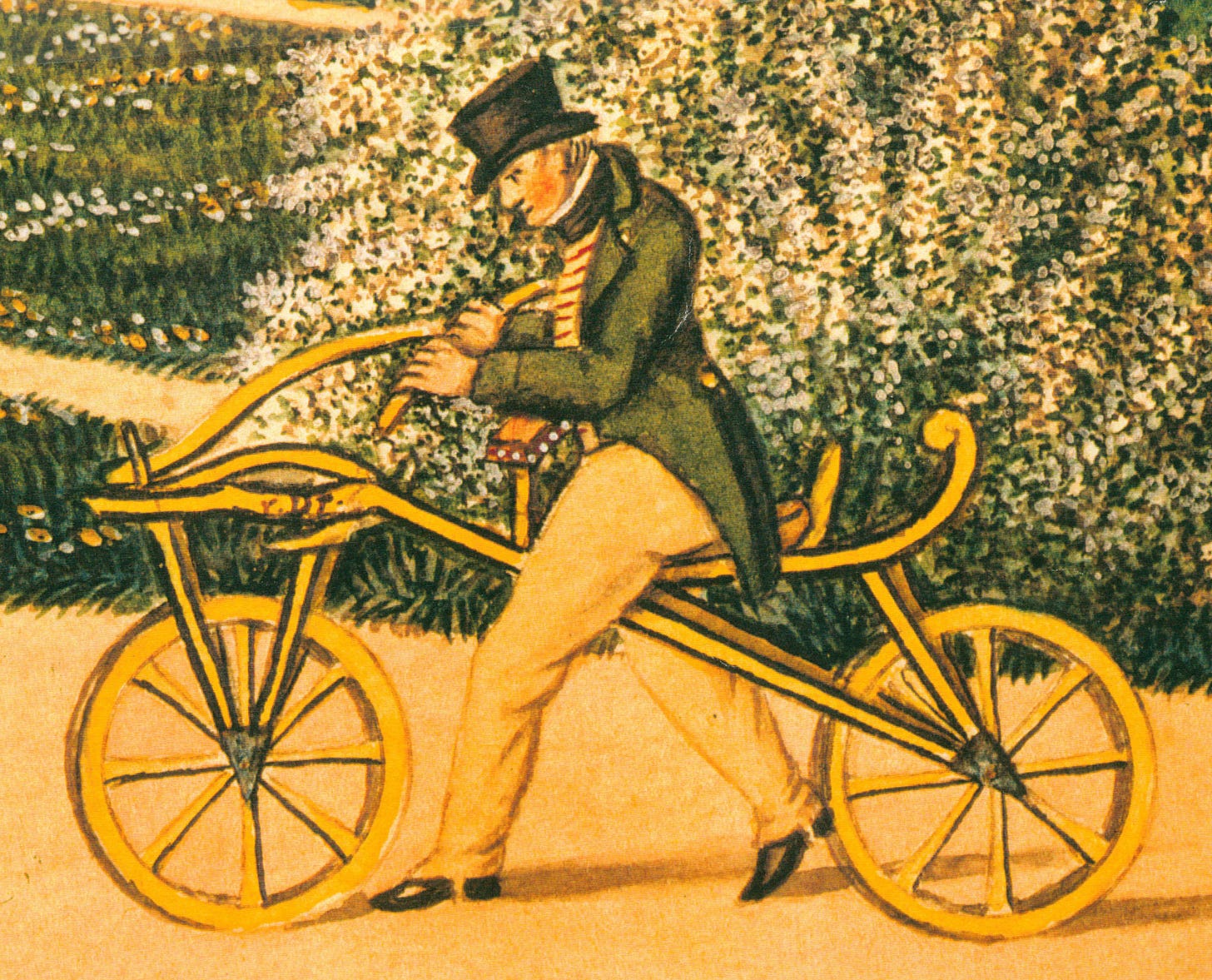
This isn’t exactly a stately, majestic, powerful-looking machine. It’s no Superman, or Wonder Woman-like origin story. I think at best I could maaaybe argue that it’s like a Spiderman-style origin, where a socially awkward teen (Toby Maguire, not Tom Holland) is accidently (and with a significant awkward stage) bestowed with power.
This feels a little like that. This is definitely the awkward phase of bicycles. I guess we can at least be grateful we hit it early and moved on?
This first bike was invented by Karl Drais in 1817 with the original name of “laufmaschine”, which translates into “running machine.” But why did the first bicycle iteration take so long to come about? It’s a relatively simple invention, after all (I say this knowing full well that I have invented exactly nothing).
There are a number of factors that made the early 1800s the right time for the bicycle. An excellent summary of the possible factors is included in this article. But to give a quick overview:
Technology in metal-working had improved. Steel was cheaper, bearings could be machined, hollow tubes could be made.
Improved roads and sidewalks - things were bumpy back in the day. Roads were dirt and cobblestone. Around 1815-1820, roads began to improve. At this point, sidewalks had already significantly improved, which led some early cyclists to ride at blistering speeds down sidewalks. Ultimately leading to a crackdown by law enforcement. Reminds me of the menace of sidewalk scooterers these days.
Some have mentioned the possibility of a rising middle class offering a market for this new type of transportation. I was unable to find significant concrete evidence supporting this, but there were hints of it.
These all make sense. Often, technologies need previous developments for them to come about. But the most interesting factor that may have influenced the bicycle’s creation was the “Year Without a Summer.” Sounds a little ominous, and, well, it was.
In 1815, Mount Tambora erupted in what is known as the most powerful volcanic eruption in human history, blowing so much ash into the atmosphere that it dispersed around the entire world and lowered the average temperature by nearly 1 degree Fahrenheit. Freak weather events occurred around the world and the coldest summer on record between 1766 and 2000 occurred that summer. Crops failed and famine ensued. Because of the famine, many people couldn’t take care of their horses, killing them off or selling them. Ultimately, this aided in bringing about the invention of the bike.
So, maybe the origin story is cooler than I thought.
Bikes Get Cool
That first bike, the Laufsmaschine, spread quickly through parts of Europe, but was seen as more of fad than as a revolutionary form of transportation. Next in the evolution of the bicycle came the addition of pedals with the Velocipede in 1858. However, the pedals were a direct-drive system, meaning they were attached directly to the front wheels. One turn of the pedals = one turn of the wheel. Additionally, because the pedals were attached directly to the wheel, you could never stop pedaling (like a fixie bike today), and you could only go as fast as you were able to pedal. This bike was often called a “Boneshaker” because of the roughness of the ride. I’m sure the iron-covered wheels didn’t help with that.
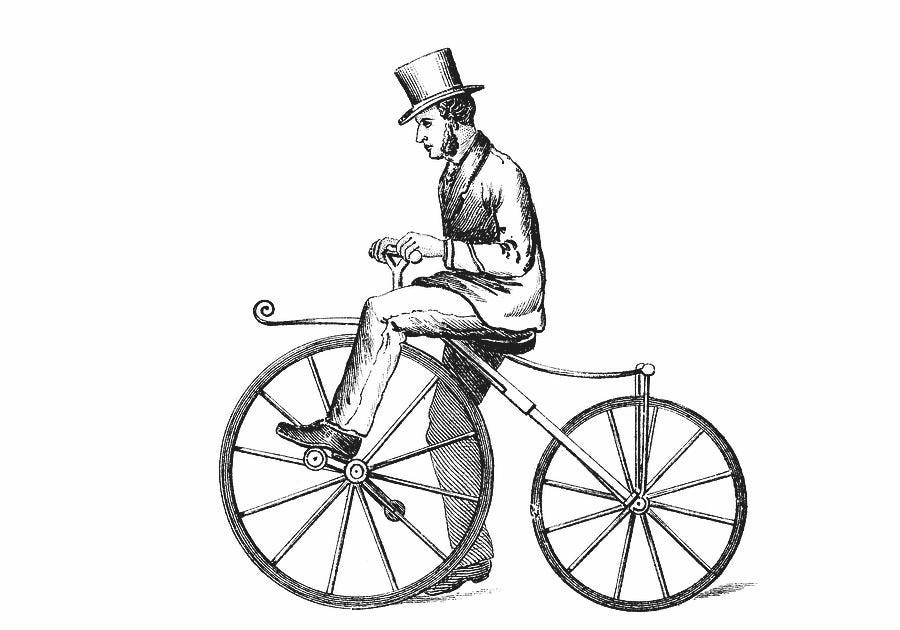
The penny-farthing increased the size of the front wheel to make it so that one revolution of the pedals led to a much longer distance covered. Some of the larger production models had wheels 5 feet tall. They look absolutely ridiculous, but that hasn’t stopped me from wanting to ride one sooo badly (if you have one, please tell me).
The increased speed allowed by the large front wheel led to the beginning of the bicycle sporting industry.
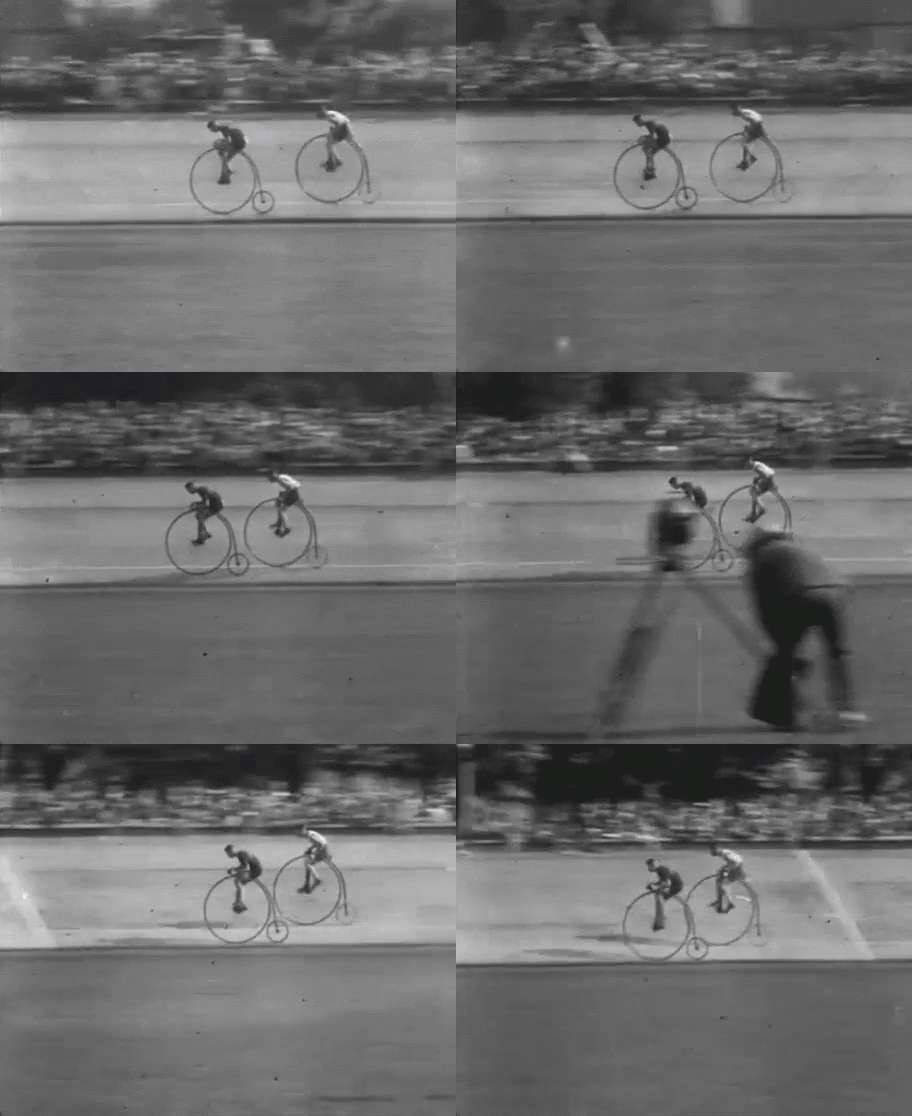
Next came the safety cycle. Invented by John Kemp Starley in 1884, the safety cycle was the first instance where a bicycle started to look like what we know today, with a chain, pedal cranks, and a brake. The safety cycle came about in the 1880s and marks the moment when bikes started to increase in popularity. In fact, the 1890s are home to what is known as the “bicycle craze.”
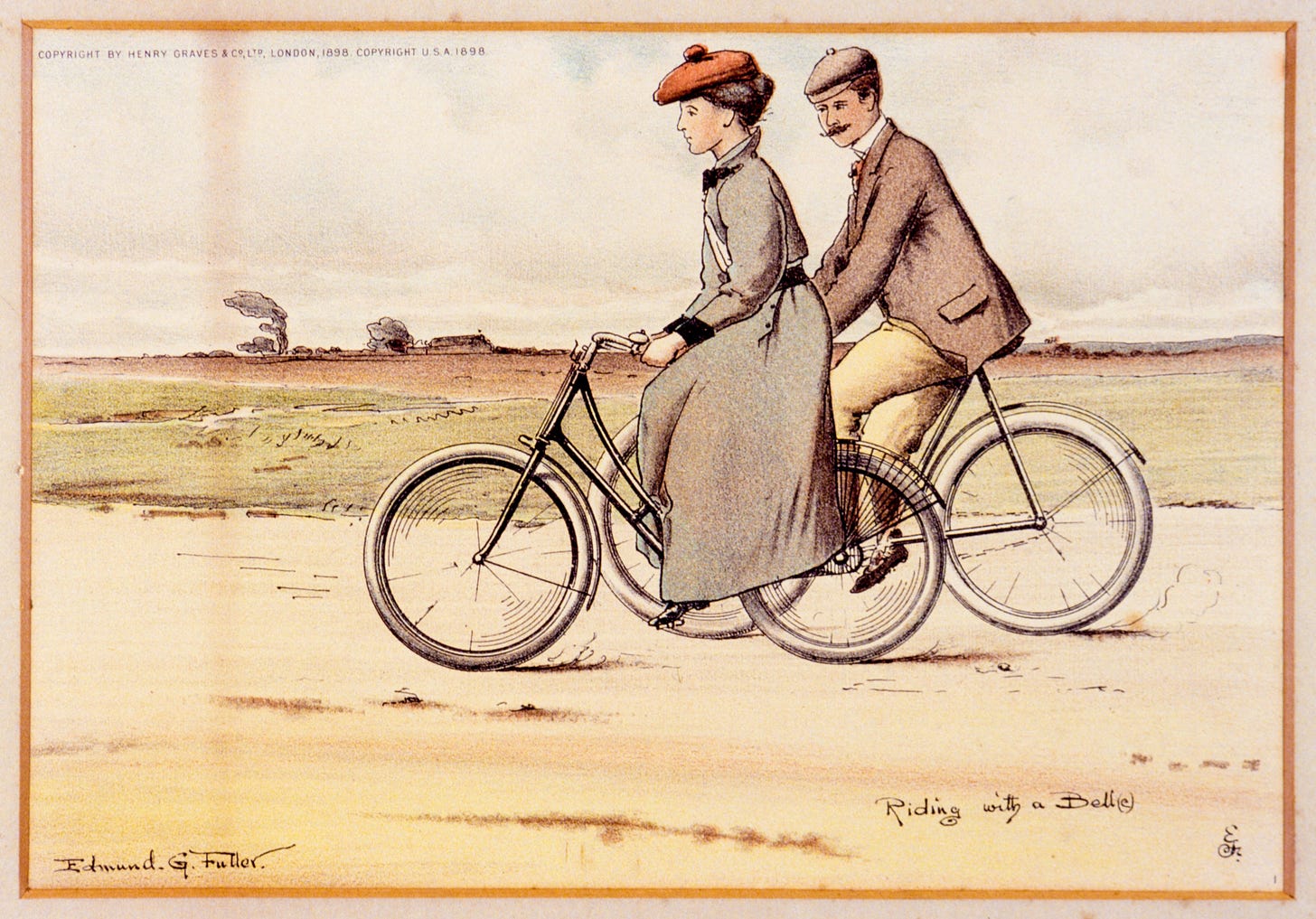
The bicycle has “done more to emancipate women than anything else in the world.” Susan B. Anthony
Women were some of the biggest adopters of the bicycle during this time period. It allowed them the ability to leave the home without a male chaperone, was easier and cheaper than a horse, was less public than taking a train, allowed for wearing less cumbersome clothing, and was seen as an acceptable activity to do with the opposite sex. Overall, what it did was provide a degree of freedom from the restrictive existence they often experienced. Suffragist Susan B. Anthony even said of the bicycle that it had “done more to emancipate women than anything else in the world.”
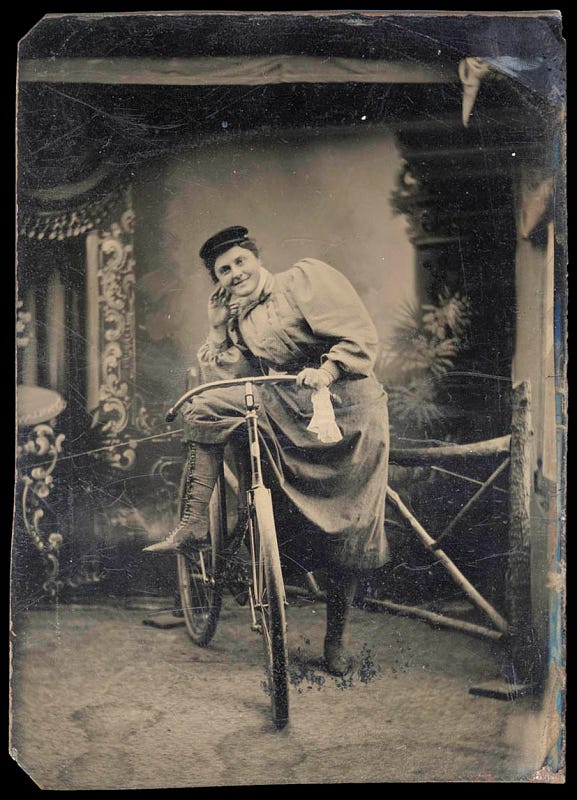
Photo Source: Smithsonian Institute
Rise of the Mountain Bike
I’m going to go ahead and skip a few years now, to the 1970s. A lot of interesting stuff happened between the last moment in history I talked about and the one I’m about to talk about, but (to me) this really is the best part.
The rise of mountain biking.
The first mountain bikers were a different breed. They didn’t have fancy hydraulic disc brakes, or 1x12 drivetrains, or suspension that could eat up intense, rocky terrain as easily as I eat up an apple fritter on a Friday night.
They called their bikes Klunkerz and they put those bikes through it. The bikes were essentially cruisers. One speed. Pedal Brakes. No suspension. No fancy knobby tires. And these people raced them down dirt roads and single-track hiking trails.
The group that popularized modern-day mountain biking came out of Marin County, California, near San Francisco, and consisted of people such as Gary Fisher, Joe Breeze, and Charlie Kelly, all major players in the development of modern-day mountain bikes. An awesome documentary of those early days of riding can be found here. I highly recommend watching it.
These people created the environment to let mountain biking become what it is today. And what it is today is absolutely insane.
I love mountain biking. I don’t have the fanciest bike, or the coolest gear, and I haven’t gone to all the craziest trails. But there are few things I love more than nearly passing out trying to ride up (and sometimes carry my bike up) crazy trails just for the opportunity to endanger life and limb riding down them. It’s incredible. Someday it might lead to a broken arm, but that day hasn’t happened yet, so I’m still feeling good.
But I love it. The speed. The drops. The crazy terrain. Every bit of it.
Now, I understand that might seem like hell to some of you. Many of you probably don’t look at this and think, “Ya. I’d like to ride a bike down that.”
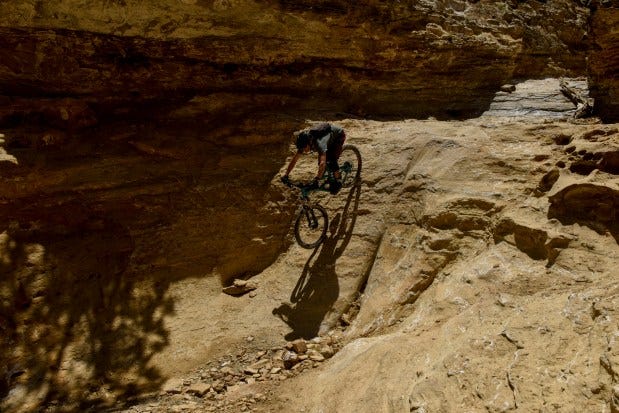
And that’s the great thing about biking. There is a style for everyone.
There are the thrill-seeking mountain bikers.
There are parents looking for a way to commute with kids or people looking for a way to pick up groceries.
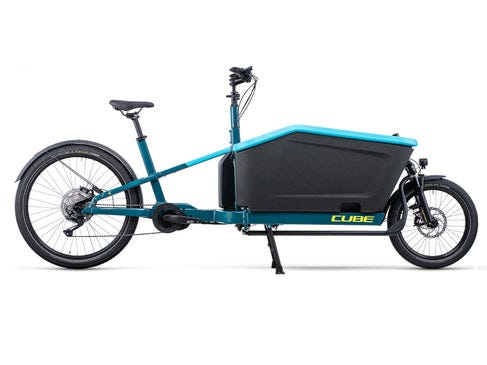
There are your everyday commuters.
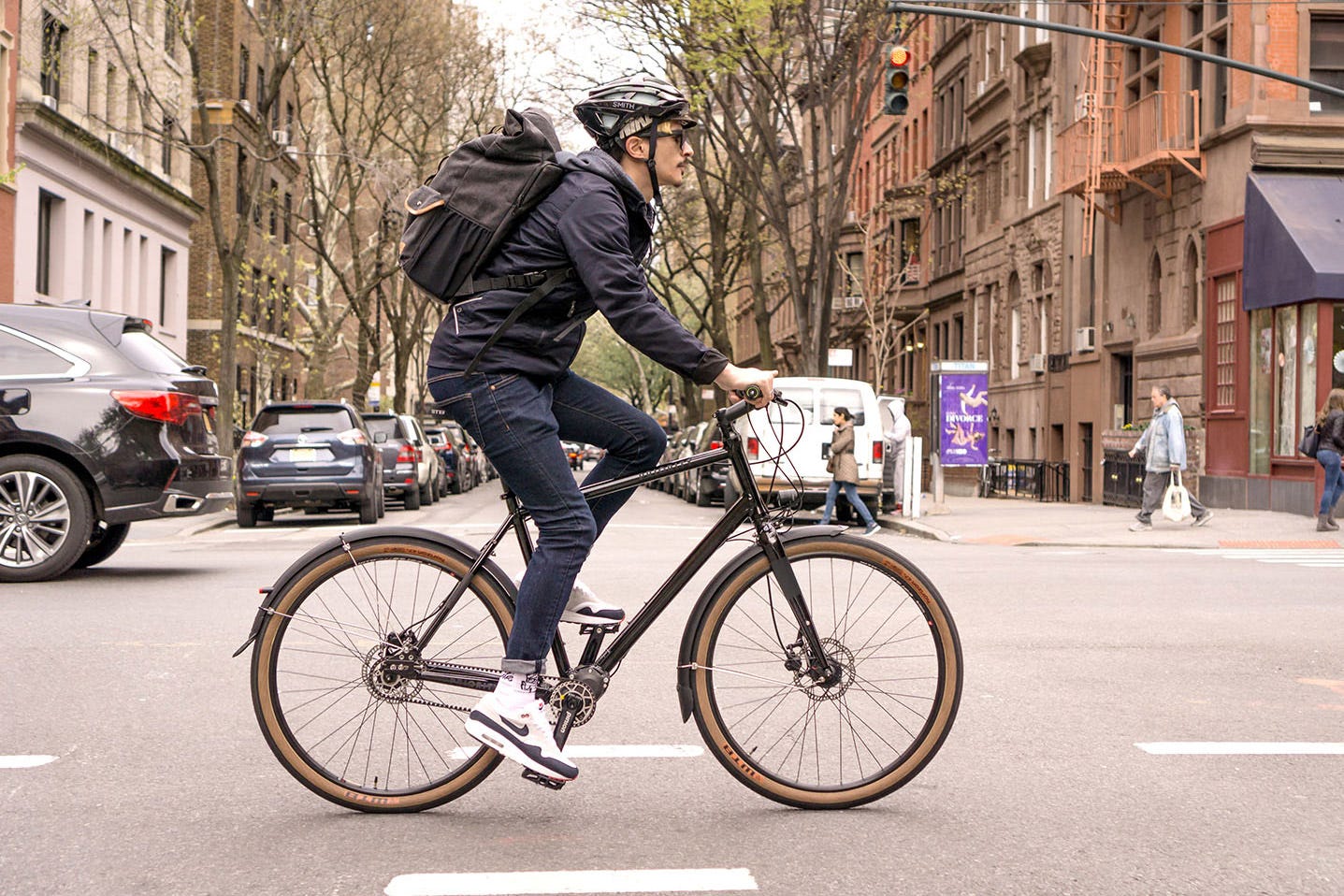
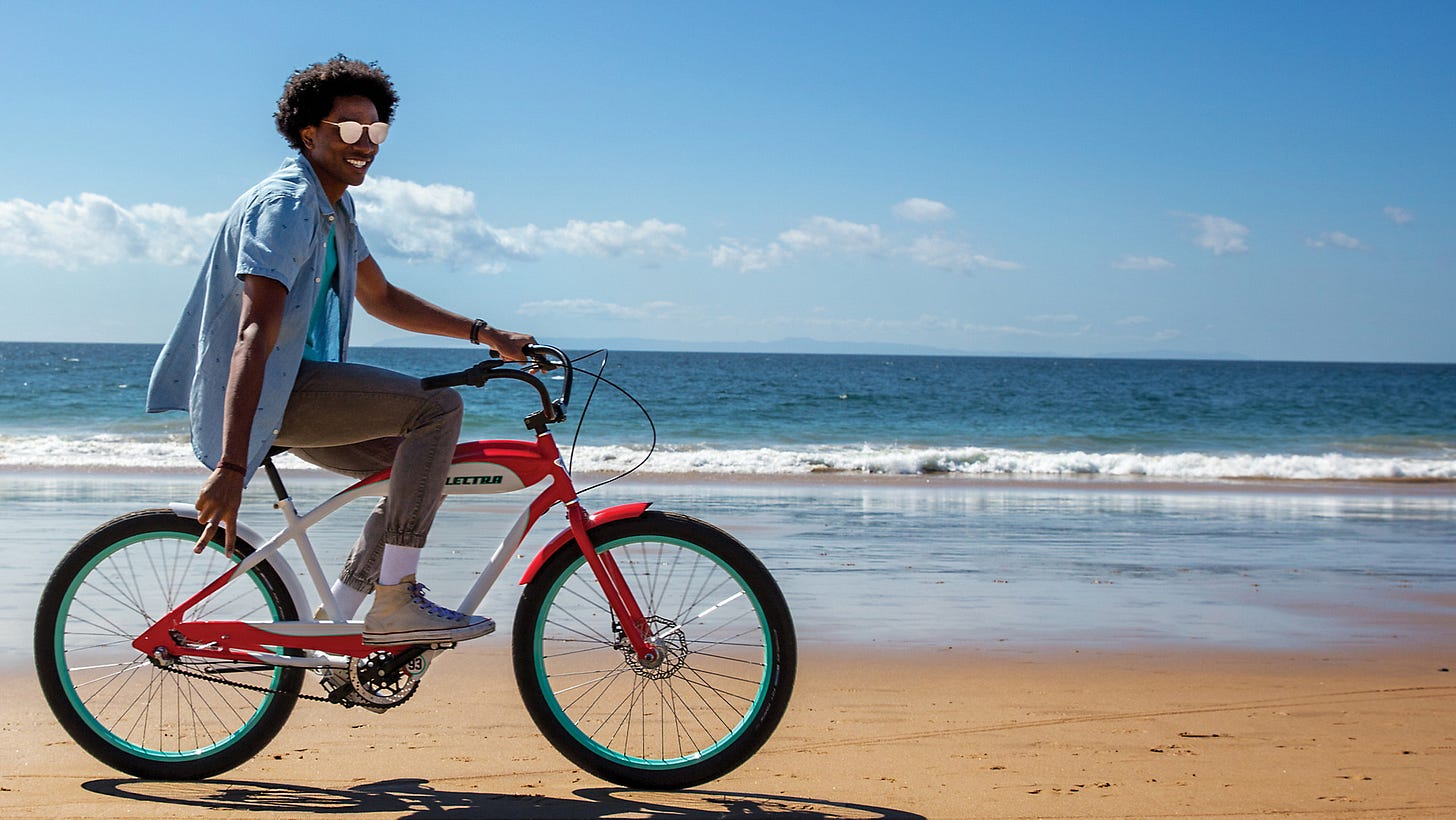
There are your beachside cruisers.
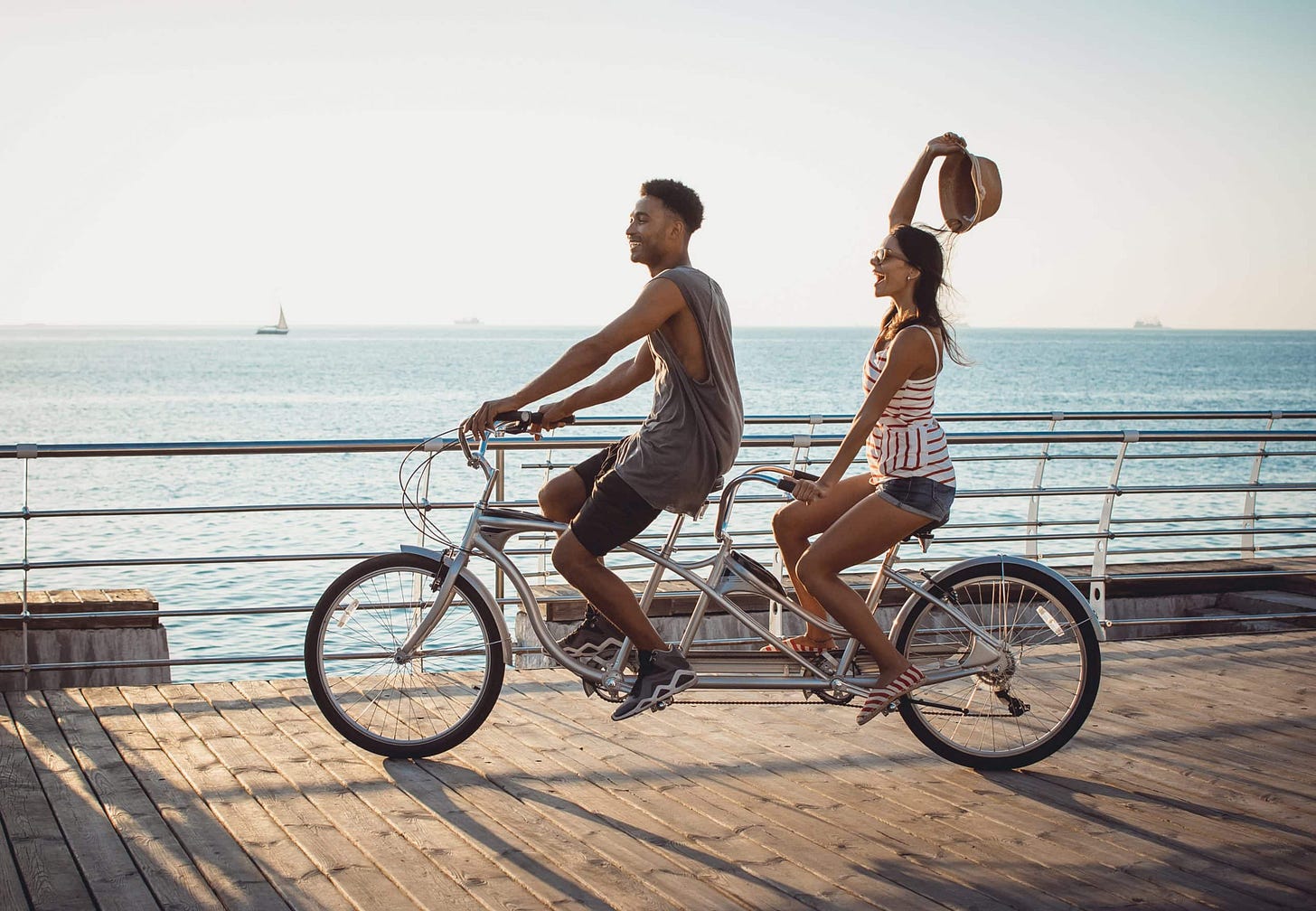
There are your tandem cycles for pleasant riding...
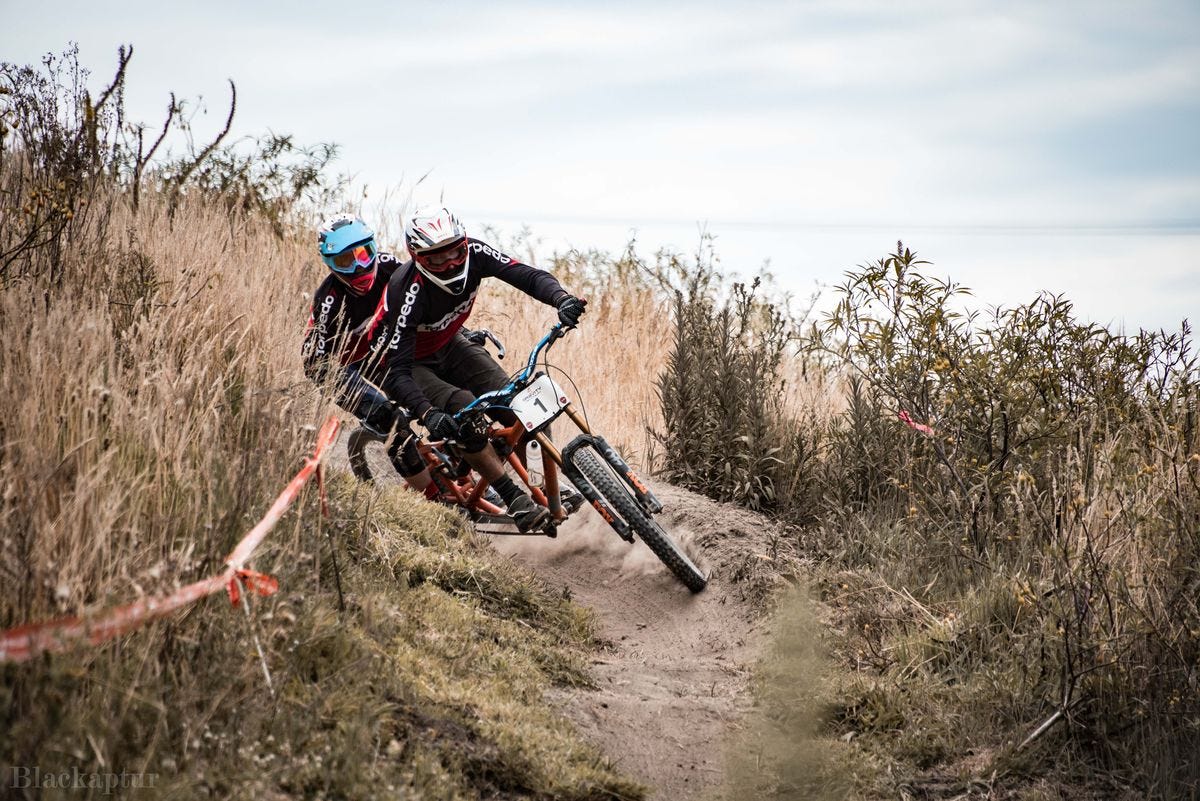
…and for those hardcore duos. If you’re going to crash, you might as well have someone to commiserate with, right?
And in recent years, electric bikes of all shapes and sizes have popped onto the scene, providing a whole new way to experience biking.
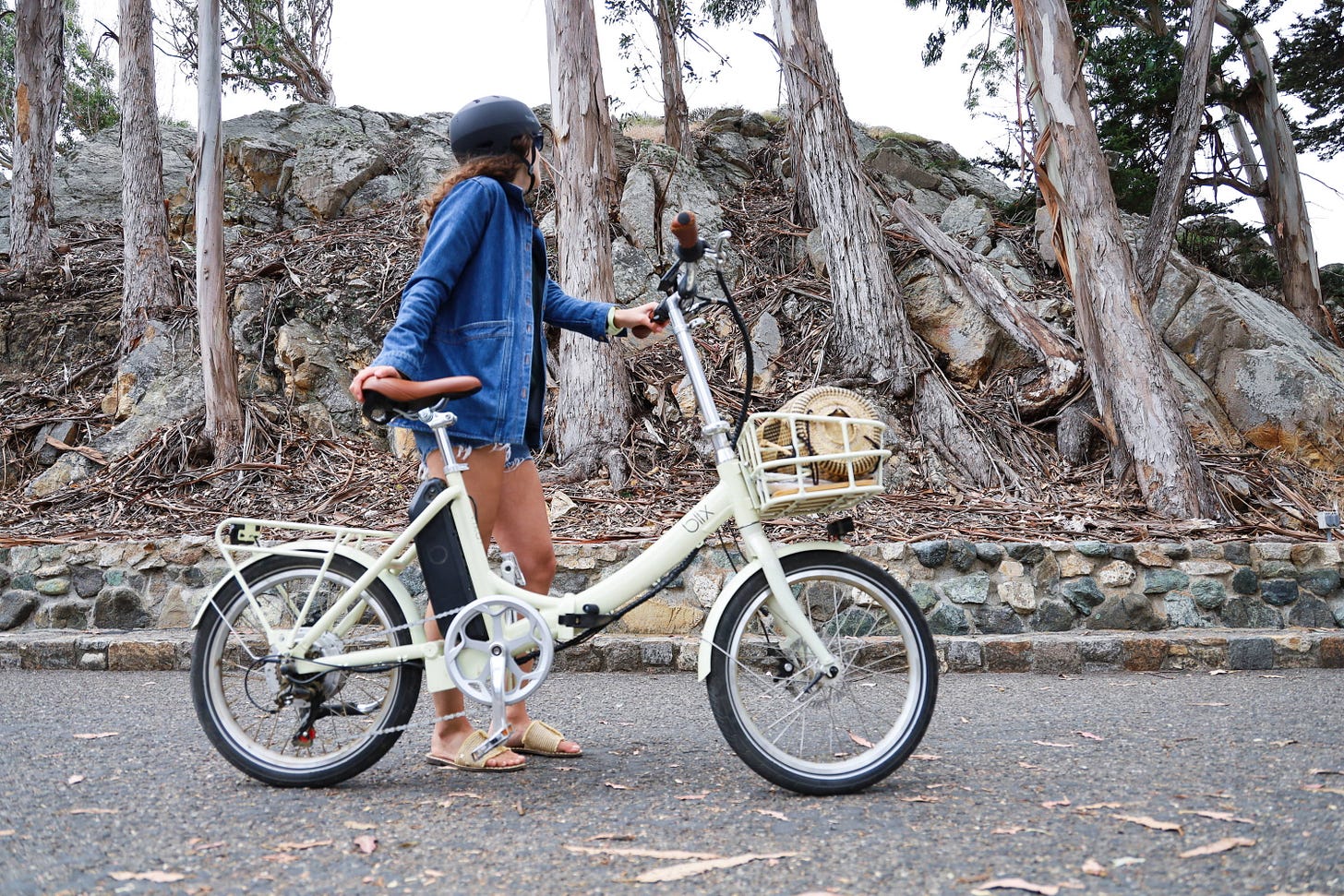
A Bike for Everyone
The point is, there is a bike for everyone. Whether you want to go fast or slow, on road, dirt, or sand, reduce stress or fill your veins with adrenaline, there’s a bike that can help you with that.
So, if you don’t have one, maybe think about it?
Biking Greatness
Here is a shortlist of biking greatness to peruse:
One of my favorite bikers to watch. This is Danny MacAskill’s most popular video
An American great in downhill racing, Aaron Gwin won a downhill race after breaking his chain in the first several seconds of the race
Payson McElveen did a crazy thing and biked across all of Iceland in a single push